

Whispers of the Crowned Ages
The Living Continuum of Monarchies Across Civilizations
The First Thrones of Humanity
Before history learned to write, humanity already understood hierarchy. From sacred chieftains along river valleys to divine kings in the deserts of the ancient world, the first monarchs arose not through conquest but through ritual. They were chosen to mediate between the unseen and the living, standing as both protector and priest. In Mesopotamia, the rulers of Uruk and Lagash carried titles that merged mortal duty with celestial mandate. In the Nile Valley, pharaohs embodied the pulse of creation, ensuring that the annual flood mirrored divine harmony. Far to the east, early Chinese rulers inscribed their power upon oracle bones, believing that the will of heaven could be translated through dynastic endurance. Monarchy began as a contract between the mystical and the mortal, written not in ink but in awe.
The Crown as Cosmic Symbol
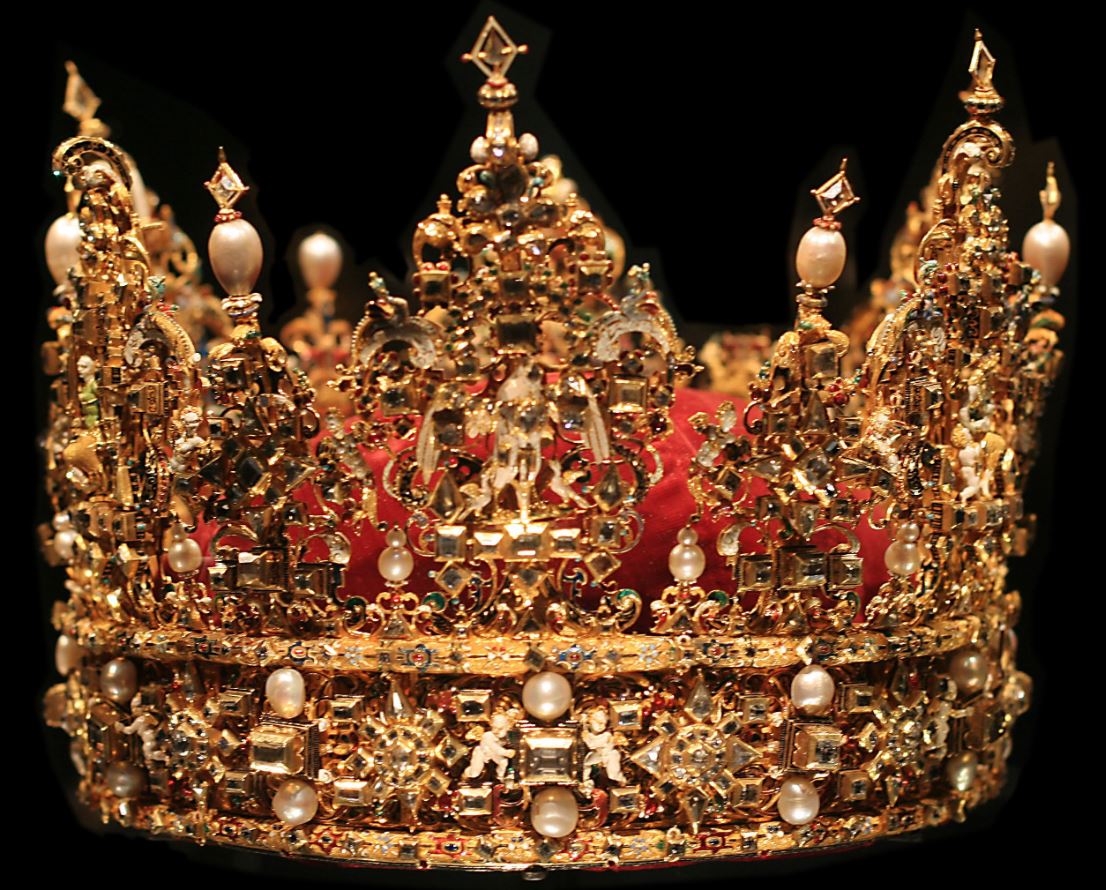
The crown, in its earliest form, was not a mark of possession but of transcendence. Gold, rare and untarnished, symbolized the eternal sun, linking rulers to celestial order. Feathers, gems, and branches adorned the brows of those believed to speak with the gods. Every culture forged its own language of regality. In the Mayan world, jade circlets mirrored life and fertility. In Persia, the royal tiara rose like a mountain against the heavens. The crown’s purpose was not vanity but communication, declaring that within one human vessel resided the order of the cosmos. Over time, crowns became hereditary, passing the divine spark from one generation to another, transforming ritual leadership into the architecture of dynasty.
The Palace as Universe
Monarchies learned that power must be visible to endure. Palaces were built as living metaphors of the universe, where architecture embodied social order. In Assyria, walls bore reliefs of celestial beasts to remind all who entered that the king’s dominion extended beyond the horizon. In Angkor, temples rose like stairways for deities, blurring the line between palace and heaven. The Forbidden City of China mirrored the cosmic map, aligning every hall and courtyard with the rhythms of stars. Even the smallest architectural gesture carried intention, each stone an instrument of philosophy. Monarchies turned geometry into language, and through that language they preserved command. Every capital became a mirror of divine symmetry, where corridors and courtyards spoke of eternity and precision.
The Blood and the Burden of Lineage
To preserve the throne, monarchs discovered that blood could be both foundation and chain. The inheritance of rule sanctified continuity yet shackled individuality. Princes were born into destinies already written, trained from cradle to command but forbidden to choose the path of freedom. Across Europe and Asia, dynastic unions transformed marriage into diplomacy. Every royal cradle rocked the balance of continents. The Capetians of France, the Mughals of India, the Song emperors of China, and the Sahelian kings of Mali each embodied a single truth: sovereignty required memory. To forget lineage was to invite chaos. Yet lineage also invited fragility. When no heir survived, or when too many claimed descent, the realm splintered under the weight of its own inheritance. Blood preserved the throne, yet it also haunted it.
The Ceremony of Power
Every monarchy understood that rule depended as much on imagination as on armies. Rituals gave abstraction a human shape. The act of coronation became a drama that transcended words, where sacred oil or incense transformed mortal flesh into divine authority. Subjects witnessed this transformation and, in witnessing, consented. The touch of the scepter, the unfolding of banners, the echo of trumpets, each moment imprinted reverence into the mind of the observer. Beyond the throne room, festivals and parades carried this symbolism through cities, making power a shared spectacle. In England’s Westminster Abbey, anointment turned a ruler into the living guardian of faith. In Japan, the enthronement rites of the Chrysanthemum Throne preserved continuity across centuries. Monarchy survived through pageantry, through the collective performance of belief.
The Philosophy Behind the Throne
Beneath the grandeur of crowns lay a deeper intellectual structure. Monarchies, far from arbitrary, developed complex theories of legitimacy. The Mandate of Heaven in China asserted that rulers were justified only as long as they maintained harmony. In medieval Europe, divine right proclaimed that kings answered to no mortal law. In Africa, sacred kingship linked sovereignty to fertility, health, and cosmic balance. These philosophies provided monarchy with moral gravity, transforming dominance into duty. A just ruler maintained the world’s rhythm, while a corrupt one invited famine, plague, or invasion. The philosophy of monarchy rested on equilibrium: the crown existed not to command alone but to embody justice, continuity, and divine favor. Without these, the throne was little more than an empty seat draped in silk.
Dynasties as Living Organisms
When viewed through history’s lens, dynasties behave like living beings. They are born through conquest or charisma, grow through alliance, peak in stability, and decay through arrogance or complacency. The Qin dynasty of China unified script and coinage yet collapsed in a single lifetime. The Romanovs rose from obscurity to empire but fell in the fires of revolution. The Ottomans turned tribal resilience into centuries of dominion, while the Ethiopian Solomonic line claimed descent from ancient scripture itself. Each dynasty represents an experiment in time, a narrative of survival shaped by adaptation. Monarchies that learned renewal, through reform, symbolism, or humility, outlived those that clung to outdated forms. The lesson repeated through millennia: the throne that refuses to change writes its own epitaph.
Rebellion and Renewal
No monarchy survives without learning to face revolt. Rebellions act as mirrors, reflecting the fears of the ruled and the blindness of the rulers. From the French Revolution’s cries of liberty to the Taiping Rebellion’s apocalyptic vision, defiance redefined monarchy’s shape. Some crowns shattered under fury, while others reshaped themselves to endure. In Britain, reform transformed absolute power into constitutional dignity. In Thailand and Morocco, the monarchy became a vessel for national identity during modern upheaval. Even when toppled, monarchs often linger in the collective psyche, their imagery adopted by republics as emblems of unity or nostalgia. Revolution does not always erase monarchy; sometimes it refines it, forcing it to shed excess and rediscover purpose.
The Modern Crown
In today’s world, monarchies exist at a crossroads between pageantry and politics. Some reign without rule, while others maintain influence through culture and diplomacy. The British crown navigates constitutional restraint while sustaining symbolic leadership across continents. In the Middle East, monarchies have evolved into systems blending tradition with modern governance. Bhutan’s kings guide transformation through measured reform, and Japan’s imperial line continues as the world’s oldest unbroken dynasty. These modern monarchies no longer command armies or dictate policy, yet their relevance endures. They serve as touchstones of continuity, uniting past and present through quiet endurance. In an era of rapid change, the stillness of monarchy offers a paradoxical stability, a reminder that legacy can coexist with progress.
The Psychological Power of the Crown
Monarchies persist because they satisfy a deep psychological longing. People respond to symbols that endure longer than individual lives. The figure of the monarch, adorned and distant, represents the archetype of permanence. Even in secular societies, fascination with royal weddings, coronations, and succession stories persists. The spectacle fulfills emotional needs for continuity, ceremony, and inherited meaning. Monarchies are the theater of identity, offering a narrative in which nations recognize themselves as descendants of history. The crown becomes less an object of rule than a vessel of collective imagination, holding centuries of aspiration within a single symbol. To abolish monarchy entirely would be to silence one of the oldest voices in the human psyche.
When Myth Becomes Legacy
In many cultures, the stories of monarchs have outlasted their reigns. Arthur, Cleopatra, Ashoka, and Sundiata Keita inhabit both legend and record, straddling the boundary between myth and memory. Through these figures, monarchy transcends the political and enters the realm of narrative immortality. Even dethroned kings continue to rule in imagination, where history turns their actions into allegory. Monarchs are remembered not for the number of their wars but for the shape of their myth. This transformation grants them a second reign, one within the culture that inherits their story. In that sense, every throne becomes a storyteller, passing through time not as a seat of power but as a spark of continuity between the ancient and the eternal.
The Monarchy’s Reflection in Art and Faith
Throughout centuries, art and religion have sustained monarchy’s image. Painters captured divine light around royal portraits, sculptors carved kings into marble as if they were prophets, and poets compared queens to celestial bodies. In cathedrals and mosques, monarchs knelt as patrons of faith, ensuring that the sacred and the sovereign walked hand in hand. The arts served monarchy by immortalizing gesture and grandeur, by transforming political order into beauty. In turn, monarchies nurtured art as proof of legitimacy. Every crown commission became an act of preservation, each cathedral inscription a claim to eternity. Even after revolutions stripped crowns from temples, the art remained, whispering across centuries that the dialogue between faith, art, and rule is not yet finished.
The Legacy in Modern Memory
Today’s monarchies function less as systems of command and more as vessels of heritage. The coronation of a contemporary monarch is televised across continents, not to proclaim dominion but to reaffirm identity. People gather not to submit but to remember. In museums, jeweled scepters and faded banners tell stories of ambition, faith, and decline. The idea of monarchy has outgrown politics; it has become an archive of human aspiration. Even nations without thrones study kingship to understand authority, symbolism, and continuity. The memory of monarchy remains embedded in architecture, ceremony, and literature. Though republics govern, crowns still gleam in imagination, uniting the threads of culture, myth, and moral order that form civilization’s deepest fabric.
The Silent Lessons of Kingship
Monarchies, stripped of power, continue to teach through example. They reveal that leadership, when bound to lineage, can either stagnate or mature. The study of kingship exposes the tension between inheritance and merit, tradition and evolution. A good monarch learns empathy as much as command, patience as much as pride. Modern rulers without crowns, whether political or corporate, still borrow from royal archetypes, adopting ceremony to evoke continuity and legitimacy. The art of monarchy, refined through centuries, endures in subtle forms within modern institutions. It teaches that authority requires ritual, that dignity must be performed, and that governance is sustained by narrative as much as law.
The Timeless Circle of Sovereignty
Monarchy began as the reflection of cosmic order, grew into a machinery of power, and now survives as an emblem of cultural memory. Its evolution charts humanity’s journey from worship to wisdom, from obedience to reflection. Though modern politics may dismiss the crown as relic, its symbolism continues to shape imagination. Monarchies remind us that civilization is not built solely on systems but on symbols that give meaning to systems. The crown, the throne, and the lineage are metaphors for continuity, each reminding humankind of its longing for stability amid chaos. In the end, monarchy endures not because it commands, but because it remembers, holding within its golden circle the echoes of every age that dared to believe in the sanctity of leadership.