

The Crown in Waiting
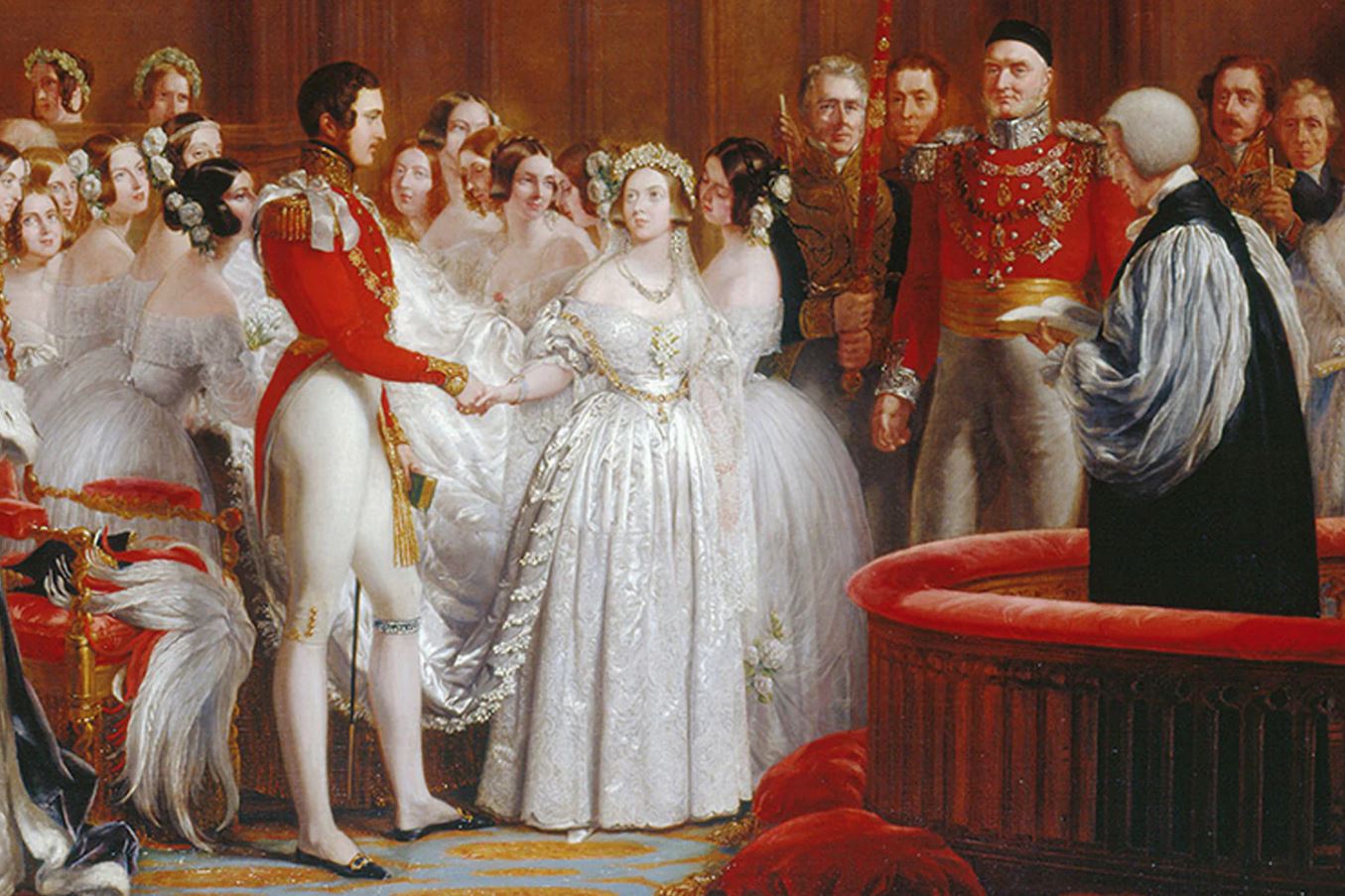
Uncertainty around succession reshaped monarchies and tested the endurance of dynasties
Inheritance at the edge of silence
Every kingdom has known the uneasy hush that falls between a ruler’s last breath and a successor’s first word. In that silence, courtiers calculate, armies pause, and rumor multiplies faster than mourning. The line of inheritance, written in law and custom, bends under pressure from ambition and fear. The passing of a crown is not a simple exchange of metal and oaths but a test of trust within bloodlines. When the designated heir is absent, young, or unpopular, the vacuum draws every whisperer toward the throne like moths to the candle that could burn them.
The fragile grammar of legitimacy
Legitimacy is the language that keeps a dynasty alive. It is spoken in ceremonies, decrees, and genealogies. Yet even one doubtful phrase can alter its meaning. Was the marriage that produced the heir sanctified by church law? Was the proclamation witnessed properly? Were there signatures missing from the seal? Monarchies that appeared eternal often fell because their paperwork was less immortal than their pride. The legitimacy of an heir is not born in the cradle but in the archives, where clerks, scribes, and witnesses define the difference between sovereignty and usurpation.
Regents and the art of pretending
When heirs are too young to govern, regents rise as caretakers of power. These figures hold crowns without wearing them, ruling in trust while acting as if the trust will never tempt them. The best regents know how to make themselves invisible, steering ships through storms without appearing to touch the wheel. The worst discover that command tastes too sweet to relinquish. Across centuries, history has seen widowed queens, ambitious uncles, and devoted ministers play this dangerous interim game. Some delivered stable transitions, others wrote the opening chapters of civil war. Regents teach that power, once borrowed, is rarely returned without scars.
The role of blood and its disobedience
Bloodlines were designed as barriers against chaos, but blood does not always behave. Cousins, bastards, and forgotten branches of families often claim their share when opportunity widens. A single surviving sibling or a nephew raised abroad can become a magnet for loyalty or rebellion. Inheritance depends on clarity, yet human hearts are rarely obedient to hierarchy. The paradox of noble blood is that it binds and divides at once. Each drop contains memory of entitlement and envy, two forces that can crown or ruin with equal ease.
Succession in the shadow of prophecy
In monarchies where faith and superstition weave tightly, succession crises often acquire sacred weight. Priests interpret comets as omens, astrologers redraw destiny with each eclipse, and citizens read droughts as divine verdicts against particular heirs. Rulers themselves sometimes lean on prophecy, naming successors not by birth but by signs in the sky or visions in the cloister. These mystical claims ignite hope and resentment in equal measure. When the heavens appear to choose, mortals begin to question law. Dynasties that rely too heavily on miracles often find themselves betrayed by mathematics.
The battlefield as courtroom
When parchment fails, steel decides. Many succession crises end not in council halls but on open fields where banners settle legal arguments with blood. Rivals proclaim justice, yet armies understand that victory writes the verdict. Civil wars born from disputed succession teach nations that inheritance is a fragile bridge between generations. The soldiers who fight in these wars rarely serve for ideology. They serve for survival, for pay, or for the hope that the next ruler will remember their loyalty. The crown that emerges from battle gleams, but it gleams over graves that remember the cost of clarity.
The marriage of politics and patience
Diplomacy has often rescued kingdoms from internal collapse. When two factions both claim the throne, marriage becomes a weapon with softer edges. Alliances sealed through unions between rival houses have saved countless monarchies from self-destruction. Yet such peace carries a quiet price. Each spouse becomes a hostage of reconciliation, carrying the expectations of two courts and the suspicions of both. Children from these unions inherit not only crowns but contradictions. Their birth represents compromise, and their rule must constantly balance competing bloodlines like scales that never rest.
The whispers of advisors and the making of myths
Behind every contested succession stands a web of advisors, confessors, and confidants. These figures sculpt narratives in real time, framing heirs as saviors or sinners according to their allegiance. Chroniclers alter phrasing, painters adjust portraits, and poets distribute praise as propaganda. When historians later study these crises, they often mistake myth for memory. The shaping of a dynasty’s story is itself a form of rule. In the confusion of transition, the truth becomes another piece of inheritance to be divided and rewritten.
Dynasties divided by geography
Empires that span continents face crises magnified by distance. A ruler’s death in the capital might remain unknown to distant provinces for months, giving governors time to invent authority in the vacuum. The slowness of communication breeds impostors and opportunists. Some colonial viceroys crown themselves, claiming loyalty to heirs they secretly intend to replace. Geography turns succession into an echo, distorted by terrain and ambition. The larger the realm, the greater the temptation to call oneself the rightful heir simply because no one can contradict in time.
The cost to the commoner
For peasants, merchants, and artisans, succession crises are storms that change the banners but not the hunger. Taxes rise, armies march, and markets close while nobles argue about which name belongs on the throne. Yet even the common people develop preferences, swayed by rumor and loyalty to local lords. Their support can determine victory as surely as royal blood. Monarchs forget this at their peril. The stability of a dynasty often rests not on ancestry but on the quiet consent of those who build its roads and bake its bread.
Foreign mediation and invisible crowns
When internal resolution fails, outside powers enter with promises of peace and hidden designs of their own. Neighboring monarchs send envoys, claiming to restore order while securing influence. Marriages are arranged, tributes negotiated, and puppet kings installed to please both sides. Foreign mediation transforms succession from domestic inheritance into international chess. The crown that survives such intervention may remain on its native head, but the strings that guide it often cross borders. Sovereignty survives in name, though not always in spirit.
Women who bridged the vacuum
In many succession disputes, women emerged as mediators, claimants, or regents who kept the realm from implosion. Queens like Margaret of Denmark, Isabella of Castile, and Empress Matilda navigated the perilous intersection of gender and authority, wielding diplomacy where armies failed. They proved that lineage is not always linear. When kings perished or faltered, mothers and daughters preserved dynasties through intellect, correspondence, and resolve. The history of succession is incomplete without them, for their restraint often succeeded where force had exhausted itself.
The evolution of inheritance law
Repeated crises forced kingdoms to formalize rules of succession. From elective monarchies to strict primogeniture, systems emerged to control chaos. Yet even law requires interpretation. The difference between male preference and equal inheritance could ignite decades of unrest. Religious reform, regional custom, and political necessity reshaped these codes with each century. By the time constitutions replaced divine right, monarchy had transformed from personal possession into institution. The crown ceased to belong to the wearer and began to belong to the nation’s continuity.
The theatre of coronation as resolution
After confusion, ritual restores rhythm. Coronations serve not only to crown but to heal. The act of placing the diadem upon the head of the chosen heir transforms speculation into reality. Priests, nobles, and citizens witness a performance that reasserts order. The oaths taken echo across cathedrals and capitals alike, reminding all that succession has concluded. Yet behind the incense and chant lingers the memory of struggle, for every ceremony of peace is built on a foundation of forgotten quarrels.
The echo in later generations
Even after a crisis ends, its consequences ripple through time. Future rulers inherit more than the throne; they inherit the memory of instability. Paranoia breeds precaution. Heirs are raised under stricter supervision, advisors are chosen for loyalty over intellect, and courtiers learn to speak in riddles to avoid offense. Dynasties that survived one succession crisis often spend the next century preparing for another. The trauma becomes tradition, shaping governance as deeply as any constitution.
Historians as the final arbiters
Centuries later, scholars revisit these crises and assign meaning to chaos. They weigh letters, treaties, and battle records, seeking coherence in conflict. Each historian crowns a different truth. Some call one heir rightful, others emphasize the social forces that made legitimacy irrelevant. In their pages, the long-dead continue to compete for justice. History itself becomes another throne room where verdicts change with interpretation. Yet in studying these disputes, modern readers learn that uncertainty is not failure but reflection of humanity’s complexity.
The survival of monarchy through contradiction
Paradoxically, it is the very recurrence of succession crises that kept monarchies adaptable. Each challenge forced revision, reform, and reflection. Without conflict, tradition stagnates. With too much of it, kingdoms crumble. The balance between predictability and renewal defines monarchy’s strange endurance. A crown that survives a dispute becomes stronger not by divine favor but by political learning. Every uncertain heir teaches the next generation how to hold power with more care and less assumption.
Modern reflections on ancient turmoil
Today, succession is more ceremonial than catastrophic, yet its echoes persist in modern institutions. Leadership transitions in democracies, corporations, and faith communities borrow language from royal heritage. The fears are similar: continuity, legitimacy, and identity. The corporate boardroom and the royal court share the same anxiety when a leader departs unexpectedly. The human instinct to preserve order while confronting change remains unchanged. The study of past succession crises therefore becomes more than nostalgia, it becomes instruction for stability in every form of governance.
The crown that never settles
No crown truly rests. It balances upon centuries of hope, error, and negotiation. Succession crises remind humanity that leadership is never permanent, that power is borrowed from the collective will of memory and necessity. Every dynasty that endured did so not because it avoided conflict, but because it learned to turn dispute into dialogue. The crown in waiting, always uncertain, remains the truest symbol of rule, not as possession, but as responsibility continually renewed by those who dare to inherit it.