

Cities Sleeping Under Sand
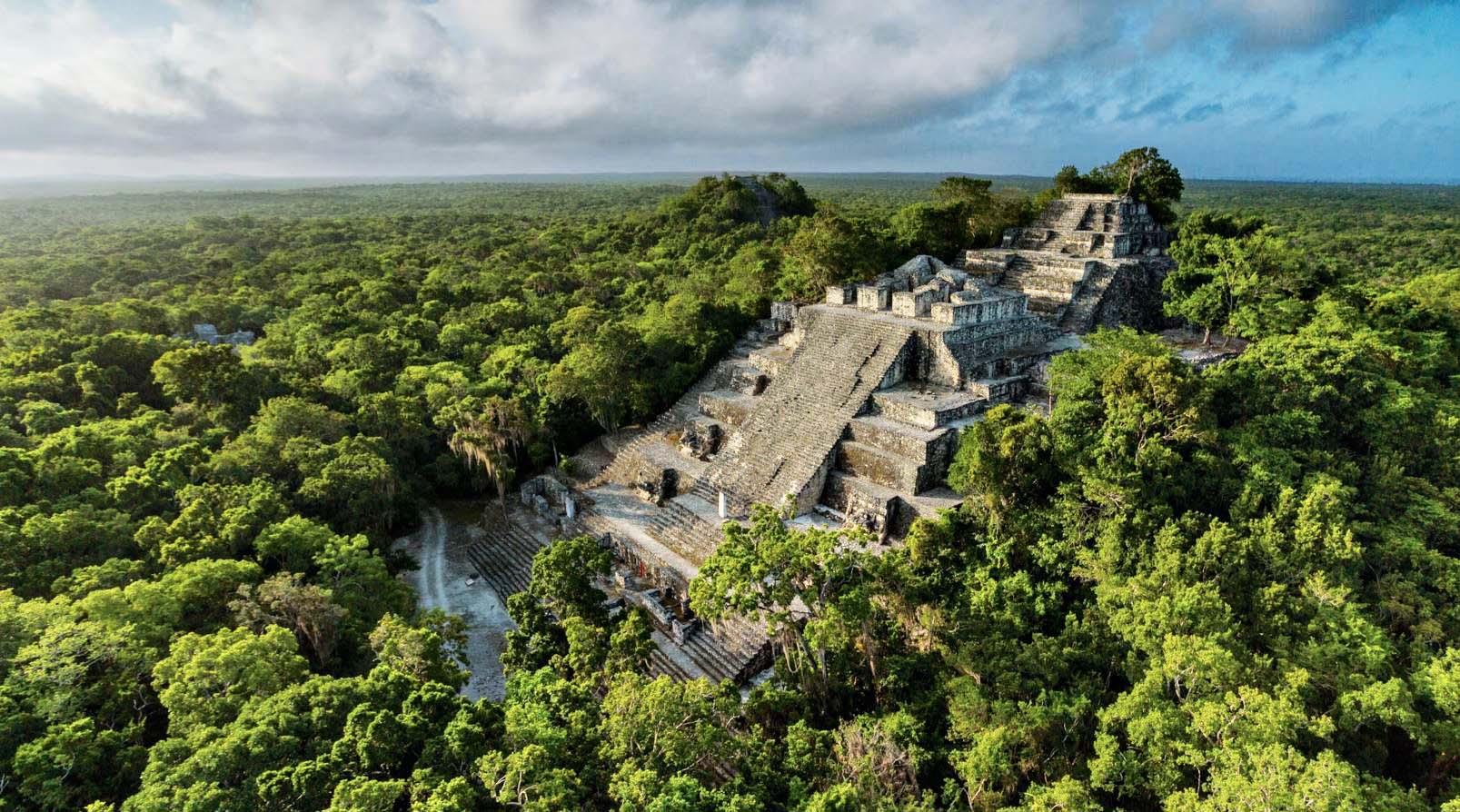
Forgotten realms leave footprints that still guide the living
Maps with missing voices
Every atlas carries blank spaces where authority once sang. Rivers that fed capitals now meander without tribute, caravan trails fade into thorn and dust, and coastal harbors hold only moonlight where fleets once argued with the tide. The silence of lost empires is not absence, it is compressed memory. Archaeologists open that memory with careful hands, reading foundations as sentences and pottery as verbs. When they place shards beside one another, a grammar returns, a syntax of trade, worship, and law that tells how a people learned to share bread and burdens before the wind erased their banners.
Beginnings that hid in plain sight
The founders of vanished realms rarely pictured marble triumphs. They worried about grain storage, the width of gates, and the price of timber. In one valley a modest council house grew into a palace because merchants kept coming back with trustworthy scales. In another region a hilltop shrine became a capital because pilgrims needed shelter from sudden rain. Empires begin as solutions to practical questions, then they expand when strangers discover that those answers also work for them. The first monuments therefore were not statues but schedules, a way to expect order when seasons played tricks with hope.
Roads that remember more than names
Stone milestones outlast the commands that placed them, and in that endurance they tell the true ambition of a state. Engineers drew straight lines across stubborn hills, then softened the grade so that oxen could pull without cruelty. At each waystation they sank wells, repaired wheels, and collected news that outran hoof and foot. Today the road survives as a pale scar running through fields of barley, yet even as ruin it attracts life. Villages align with it, children race along its edge, and farmers harvest the shallow ditches where rain lingers. The road keeps teaching long after classrooms collapse.
Capitals that moved like tides
Some empires learned to change cities the way sailors change sails. A court by the sea governed trade during warm months, then retreated inland when storms risked the fleet. Another kingdom shifted between a northern fortress and a southern garden, honoring both frontier and harvest. The archives traveled in chests, the mint followed the chariots, and the people learned to measure time by departures and returns. When such realms disappeared, ruins appeared in clusters rather than single graves, and researchers found that movement had been the secret to longevity until the habit itself became too heavy to carry.
Water as tutor and judge
Every lost empire negotiated with water before it negotiated with neighbors. Canals braided farmland into reliable maps, reservoirs stored tomorrow within clay, and levees bent floods into useful patience. Drought then punished pride more swiftly than rival banners. When the record shows repeated repairs abandoned midway, when silt covers sluice gates that once sang, it is clear that the budget of attention failed before the budget of coin. The last caretakers watched reeds take back the channels and knew that the empire had died even while the palace still polished its lamps.
Script that sealed trust
Writing allowed empires to exist beyond the breath of a herald. Clay tablets counted barley and wine, stone pillars fixed borders that generals promised to respect, and fragile scrolls carried tax relief to distant farms. When scripts go silent, debts and permissions vanish with them. Later settlers find walls but not reasons, and they invent new reasons that fit their own customs. Epigraphers step in centuries later to rescue the older voice, pronouncing dusty letters as if they were seeds, and whole legal systems rise again for an afternoon in a lecture hall where the dead dictate wisdom to the living.
Markets that made strangers into neighbors
Lost empires succeeded when foreigners felt safe praising the scales and the judges. Markets taught tolerance faster than priests, since profit requires listening. A trader who knew how to greet in three languages kept more friends than an officer who commanded in one. Spices met wool, tin shook hands with parchment, and the clink of measured coin rehearsed the music of unity. When the market failed, suspicion replaced arithmetic, and the realm shrank not through conquest but through boredom, because people prefer lively stalls to solemn gates.
Temples that trained citizens
Shrines did more than shelter devotion, they trained calendars and ethics. Festivals taught the art of arriving on time, offerings required honest weights, and pilgrim hostels established standards for hospitality that later became civil law. When an empire forgot how to celebrate without arrogance, the roof tiles slid one by one. Priests who once counted loaves began counting favors, and faith that once knitted villages together became a costume for quarrel. Excavations reveal this shift in small ways, a feast hall converted to storage, a fountain gone dry, a statue moved to face a wall as if ashamed.
Courts where compromise wore a crown
Judges turned stubborn rivals into useful neighbors. Their benches stood at the center of long lived realms, and their wisdom traveled farther than armies. The law answered ordinary grief, a stolen goat, a collapsed roof beam, a debt settled late, and in doing so it trained people to trust procedure more than power. When the docket grew meaningless, when verdicts depended on friendship, citizens stopped walking to court. They walked to wells and whispered instead, and such whispers pulled stones from the foundation while the palace hosted grand banquets to calm a hunger that compliments cannot feed.
Family trees that outgrew their orchard
Dynasties that forgot humility turned succession into theater. Uncles doubted nephews, sisters weighed spouses against provinces, and the nurse who knew which child had patience was never invited to advise. Marble inscriptions list titles that multiplied while responsibilities divided, and the empire learned that too many princes make a poor harvest. Excavators find palaces expanded with small courtyards rather than great halls, a sign that the household fractured into factions before the outer walls cracked.
Frontiers that taught both caution and style
Edges of power are schools where ideas trade clothing. Guard posts collected words and recipes along with tribute, and border towns loved novelty more than the capital did. When empires vanished, these edges kept the memory alive in textiles and songs. A head scarf preserves a lost alphabet in its stitch count, a lullaby carries a catalog of once sacred rivers, and a bread recipe insists on a spice no nearby field grows. Folklore becomes the final archive, held in kitchens and courtyards while scholars hunt for stones.
Plagues that revised the census
Epidemics felt like storms at first, sudden and unfair, but their aftermath altered budgets, armies, and theology. Tax lists thinned, walls went unmended, and the orchestra of ceremony lost whole sections. Survivors improvised, women managed warehouses, novices led rites, and orphans learned to read account boards with furrowed focus. A few decades later the empire seemed to function again, yet its memory had shifted key, and the old music never returned to pitch. Excavated graves tell this tale with quiet rows and hurried offerings, while abandoned nurseries explain more than any treaty.
Climate that changed the script of daily bread
Rains that arrived late for five straight years could humble pride more than invaders on swift horses. Farmers switched seeds, millers rationed flour, and priests held processions that asked heaven to remember the schedule. When patience finally snapped, families moved uphill or hugged the coast, and the center found itself speaking to empty roads. The empire ended not with fire but with a slow rearrangement of chairs as people chased water rather than orders. Pollen trapped in lake beds records these migrations more faithfully than any chronicle that a court poet revised to flatter a tired crown.
Technology that arrived quietly then left loudly
Innovations rarely announce themselves with trumpets. A better kiln makes bricks that resist rain, a new plow saves the backs of oxen, and a clever pulley raises beams without bruising shoulders. These tools stack into prosperity, and prosperity becomes the habit that citizens defend with pride. Later, when supply chains break, when charcoal grows costly or ore runs thin, the same society unravels faster than expected, because the tools had become pillars disguised as conveniences. Archaeology reads this retreat in layers of workmanship, fine masonry giving way to patchwork and uncut stone before the floor collapses into dust.
Captitals that turned inward too soon
Great cities can grow so proud of their own mirrors that they forget the windows. When theaters and hippodromes absorb more funds than bridges and cisterns, the city shines while villages dim. The countryside tolerates this for a time, then it chooses indifference, which is more dangerous than revolt. Merchants take side roads, veterans retire in distant valleys, and the schedule of tribute becomes a suggestion rather than a duty. The capital throws larger parades to deny the cooling of allegiance, and when the music stops there are more banners than bakers.
Languages that stayed after armies left
Even when the empire withdrew its garrisons, its verbs continued to work. Loanwords lit fires in new grammars, place names persisted across new dynasties, and proverbs in the old tongue lingered in markets where children bought fruit. The conqueror lost the fort, yet the baker kept saying the borrowed word for yeast, and that word bridged centuries without ceremony. Linguists trace these threads as cartographers of breath, showing how power fades but speech does not, and how speech keeps an empire half alive in jokes and recipes.
Rituals that turned to theater then to ash
Ceremony gives authority a rhythm that even skeptics can march to. Over time the beat can grow ornate, longer robes, brighter pigments, more incense, and the meaning thins while the costume thickens. When the empire ends, the robes sell for festival costumes, the pigments decorate wedding wagons, and the incense returns to household shrines. In this way the ritual survives by shrinking, and families carry a pinch of the old court inside birthday songs. The stage saves what the archive cannot, though it saves it in smaller jars.
Ruins that repair the living
Tourists arrive with cameras and bottled water, but the local community approaches ruins as reservoirs of work and identity. Craftspeople restore lintels, guides memorize legends in several languages, and schools use the site as a classroom where geology meets civics. The lost empire becomes a present employer. Conservation projects teach careful patience, and that patience leaks into other tasks, irrigation, library catalogs, neighborhood councils. The past hires the present to guard it, and both are better for the contract.
Myths that grow where facts thin
When documents burn, legends plant gardens. A queen who probably managed tax reform becomes a figure who tamed storms with a glance. A general who organized mule trains turns into a night rider who crossed mountains without touching the snow. These exaggerations begin as love letters to competence and end as cautionary tales about pride. Folklorists treat them as lenses, not as lies, because each story reveals what the community wants from power, fairness that keeps bread cheap, stubbornness that protects harvests, mercy that remembers widows. The lost empire thus persists as a mirror polished by imagination.
Lessons that travel better than armies
From each fallen realm the world inherits a technique that refuses to die. One gives a recipe for pozzolanic mortar, another bequeaths a calendar that fits the sky with unusual grace, a third leaves a treaty format that still calms border towns. Teachers carry these gifts into classrooms where children learn that greatness can fail without wasting its best ideas. The map changes color, yet the method endures, and sometimes it leads to a smaller but kinder state that honors the memory it once feared.
The echo that chooses to guide rather than haunt
Lost empires do not vanish, they vote in absentia. Their roads suggest routes for new buses, their laws lend shapes to honest courts, and their stories teach courage with humility. When we walk ruined streets with respectful feet, we borrow a little wisdom from those who built before us, and we promise to leave behind more than rubble when our own season ends. The sand keeps its secrets, yet it also keeps the imprint of care, and if we study that imprint with patience, the future will call us ancestors with gratitude rather than relief.