

When Crowns Touch the Sky
The sacred theatre of royal beginnings
Origins of the anointed throne
In every civilization that crowned its rulers, the act of enthronement carried meanings deeper than politics. Before armies or parliaments existed, people looked to symbols to bridge the mortal and the divine. The earliest coronations were not spectacles but ceremonies of transformation, where a chosen figure was reborn as the living emblem of unity. In the river valleys of Mesopotamia, kings were bathed in sacred water to cleanse the remnants of ordinary life. In Egypt, the pharaoh received the white and red crowns as proof that heaven and earth had consented to his rule. Across time, the crown evolved from a physical object into an idea, one that proclaimed continuity, stability, and the miracle of sanctioned power.
The language of anointing
Oil became the most enduring language of consecration. Its gleam under torchlight was interpreted as divine approval, a sign that the ruler’s flesh now carried an invisible covenant. In Hebrew traditions, prophets poured oil upon chosen leaders, symbolizing purity and purpose. Medieval Europe adopted this gesture with solemn devotion, turning it into the heart of Christian monarchy. The priest’s hand, trembling slightly under the weight of ritual, connected the church to the crown in a bond that neither blade nor rebellion could easily sever. The fragrance of the oil, often mixed with myrrh and balsam, drifted through cathedrals as a whisper of eternity. In that scent lay the affirmation that authority, once anointed, could not be undone by mere men.
The crown as message and mirror
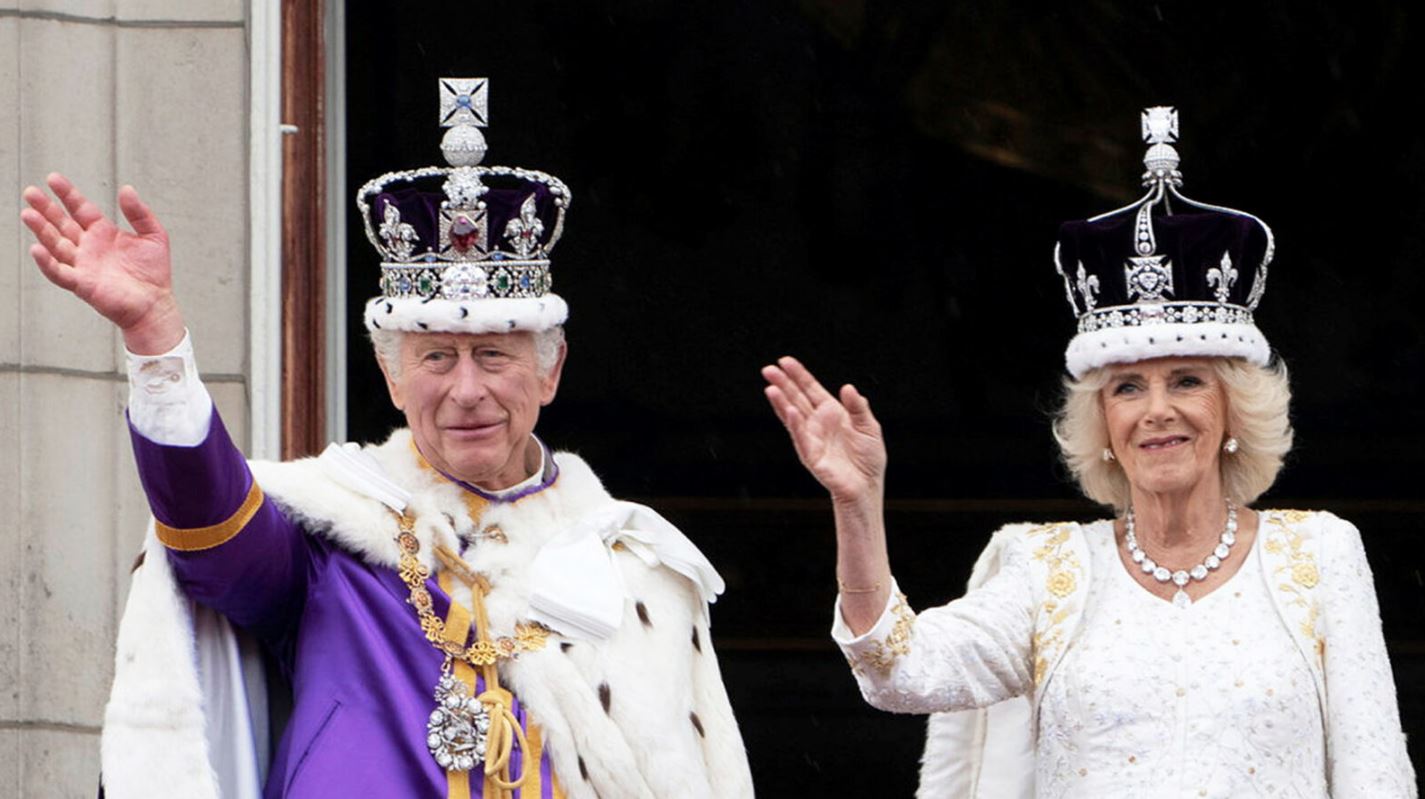
The crown itself tells a story far older than gold. Its circular form symbolizes the cycle of life, the balance of sun and moon, and the eternal return of duty. Every jewel embedded within it carries deliberate symbolism: sapphires for wisdom, rubies for courage, and pearls for mercy. Ancient artisans designed crowns not merely as ornaments but as scriptures in metal. The act of placing the crown upon the sovereign’s head transformed geometry into theology. To the gathered audience, it was more than a coronation, it was a reenactment of creation. Each sparkle of the crown reflected back the hopes of the people who, for a single moment, saw perfection made visible.
Voices of the assembly
No coronation belongs entirely to the ruler. Every ceremony relies on witnesses who affirm what power alone cannot prove. Nobles, clergy, and citizens assemble not only to observe but to participate in a shared act of renewal. Their shouts of acclamation weave sound into legitimacy. The chorus of voices becomes a living oath, one that binds throne and subject in mutual recognition. In medieval cathedrals, this moment thundered beneath vaulted ceilings as if the stones themselves approved. In Eastern courts, the acclamation might rise in rhythmic chants, echoing through courtyards draped in silk. Wherever it occurred, the sound of the people completed the ritual, turning the solitary figure of the monarch into a collective ideal.
Robes that rewrite identity
The vestments worn during a coronation are not mere garments but instruments of metamorphosis. Silk, velvet, and fur layer upon the ruler like pages of scripture, each color and texture chosen with precision. Purple announces sovereignty, white signals purity, and ermine denotes restraint. The robe conceals the individual, replacing human frailty with the illusion of permanence. Tailors and theologians collaborate in silence to ensure that every thread aligns with doctrine. When the robe is clasped and the scepter placed in hand, the transformation is complete. What began as a mortal dressed for ceremony ends as an institution dressed for history.
The architecture of sanctity
Every coronation site carries an aura that transcends geography. Cathedrals, temples, and palaces become temporary bridges between the visible and the eternal. Their design, often perfected over centuries, frames the ceremony as a conversation between heaven and stone. The aisles form pathways of anticipation, the altar becomes a stage of destiny, and the ceiling arches mirror celestial order. Architects understood that the building itself must participate in the ritual, guiding both sound and light toward the throne. As incense rises and sunlight filters through stained glass, the physical world seems to bow in reverence. The location, chosen with ancestral care, reminds every witness that sovereignty exists not only in law but in landscape.
Symbols of stewardship
Coronation regalia transforms power into tangible form. The scepter embodies justice, the orb represents dominion under divine order, and the sword, though sharp, promises protection rather than conquest. Each item passes through ritual hands before reaching the sovereign, acquiring a charge of history and holiness. The act of receiving them is both blessing and burden. A ruler who holds these items holds the weight of those who came before and those yet to come. The regalia are silent teachers, reminding monarchs that glory fades when duty falters. When the objects return to the treasury, their emptiness humbles the next in line.
The chorus of faith
Music completes the alchemy of coronation. Trumpets, choirs, and drums weave emotion into ceremony. Composers craft melodies that balance majesty with grace, ensuring that the sacred tone of the event lingers long after the final note. In Europe, organ chords rolled like distant thunder, while in Asia, ceremonial gongs measured time through resonance rather than rhythm. The harmony between sound and movement gives the illusion that the world itself participates in the moment. When the choir sings the anthem of anointment, every vibration seems to lift the crown higher, connecting mortal aspiration to divine consent. Through music, the invisible becomes audible, and the ceremony transcends its own language.
The pageantry of procession
The procession marks the passage from preparation to proclamation. Streets bloom with banners, flowers, and garlands as the sovereign moves from private prayer to public triumph. Each step symbolizes continuity, a journey through the memory of the realm. Soldiers march in formation, not as warriors but as guardians of peace. Children scatter petals, representing innocence and renewal. At the heart of this choreography walks the ruler, poised yet human, carrying the weight of history on steady shoulders. The procession binds generations together, allowing grandparents to whisper stories to grandchildren about the last time such a vision graced the streets. The ritual’s grandeur is balanced by its fragility, for even amid splendor, it acknowledges the fleeting nature of human glory.
The oath before eternity
Every coronation pivots on a single moment: the pledge. The oath, spoken aloud, transforms power into accountability. Surrounded by witnesses and sacred texts, the monarch swears to uphold law, protect faith, and rule with fairness. The silence before and after these words is the truest silence a throne will ever know. In that brief interval, even the air seems to hold judgment. The oath is more than promise; it is the bridge between ideal and obligation. Many rulers have broken it, yet none escape its echo. The oath binds not only the crowned but also the generations who recall it, measuring every future act against that sacred utterance.
The gaze of the people
No crown shines without eyes to see it. The spectators, gathered in squares or watching from distant provinces, complete the ritual through observation. Their awe sustains the myth. For them, the coronation is not about a single ruler but about their collective place within the unfolding of time. The young imagine their future beneath the same banner, the old remember the procession of past monarchs, and the uncertain find comfort in continuity. The gaze of the people transforms ceremony into legacy. Without it, the crown is only metal and light. With it, it becomes the heartbeat of a nation’s story.
The endurance of symbolism
Though modern politics may question the necessity of crowns, the fascination with coronations endures. People crave symbols that tether them to something older than themselves. In an age of fleeting digital moments, the sight of a crown still speaks of patience, ritual, and meaning. Nations that have abolished monarchy still borrow its imagery for ceremonies of office, because the language of coronation transcends structure. It whispers that leadership must be earned through humility and acknowledged through grace. The survival of this ritual reveals that humanity, even when modern, still seeks sacred order in the act of governance.
Echoes in art and literature
Artists and writers have long preserved the grandeur of coronations through brush and pen. Painters freeze the golden instant of crowning, capturing the shimmer of fabric and the gravity of stillness. Poets describe the trembling of torches and the hush before acclamation, turning sight into scripture. Chroniclers record the smallest gestures, from a bishop’s raised hand to a tear on a widow’s cheek in the crowd. Every artistic retelling keeps the event alive beyond its century. Art grants the ceremony a second life, allowing later generations to feel the pulse of that hour even when the real crown rests behind glass.
The hidden cost of splendor
Beneath the beauty of coronations lies a network of labor unseen by the audience. Seamstresses sew until dawn, apprentices polish gold, and carpenters shape platforms sturdy enough to bear history. Musicians rehearse in echoing halls, their fingers blistered by repetition. Servants sweep petals from marble steps before the sun rises. The perfection displayed before the public is built upon endless acts of devotion. Every coronation demands such invisible sacrifices, each one adding quiet dignity to the spectacle. In acknowledging their effort, one glimpses the true complexity of ceremony, where countless hands sustain the illusion of effortless majesty.
The continuity of hope
At its core, every coronation is an act of faith. Faith that tradition still holds meaning, that leadership can be sanctified by ceremony, and that unity can survive through symbols. When the crown is raised, it reflects not only the light of chandeliers but the collective yearning for guidance. Empires fall, governments shift, yet the moment of crowning continues to stir the same human emotion. It reminds each witness that renewal is possible, that the old can be reborn in the language of ritual. The endurance of coronations is proof that beauty, when bound to purpose, can outlast the empires that created it.
The eternal circle of sovereignty
The final act of a coronation does not end with applause or dismissal but with reflection. As the ruler departs the sacred hall, the air still hums with the resonance of prayer, music, and oath. The circle closes only when crown and conscience align. The ceremony lingers in memory as a compass, guiding both sovereign and nation through uncertain years. In this way, the ritual becomes more than celebration; it becomes renewal written into history’s heartbeat. Every future crown, no matter how different in style or purpose, carries within it the same invisible thread that ties humanity to its longing for sacred order, reminding the world that authority, when anointed by meaning, can still touch the sky.