

The Thrones That Learned to Burn
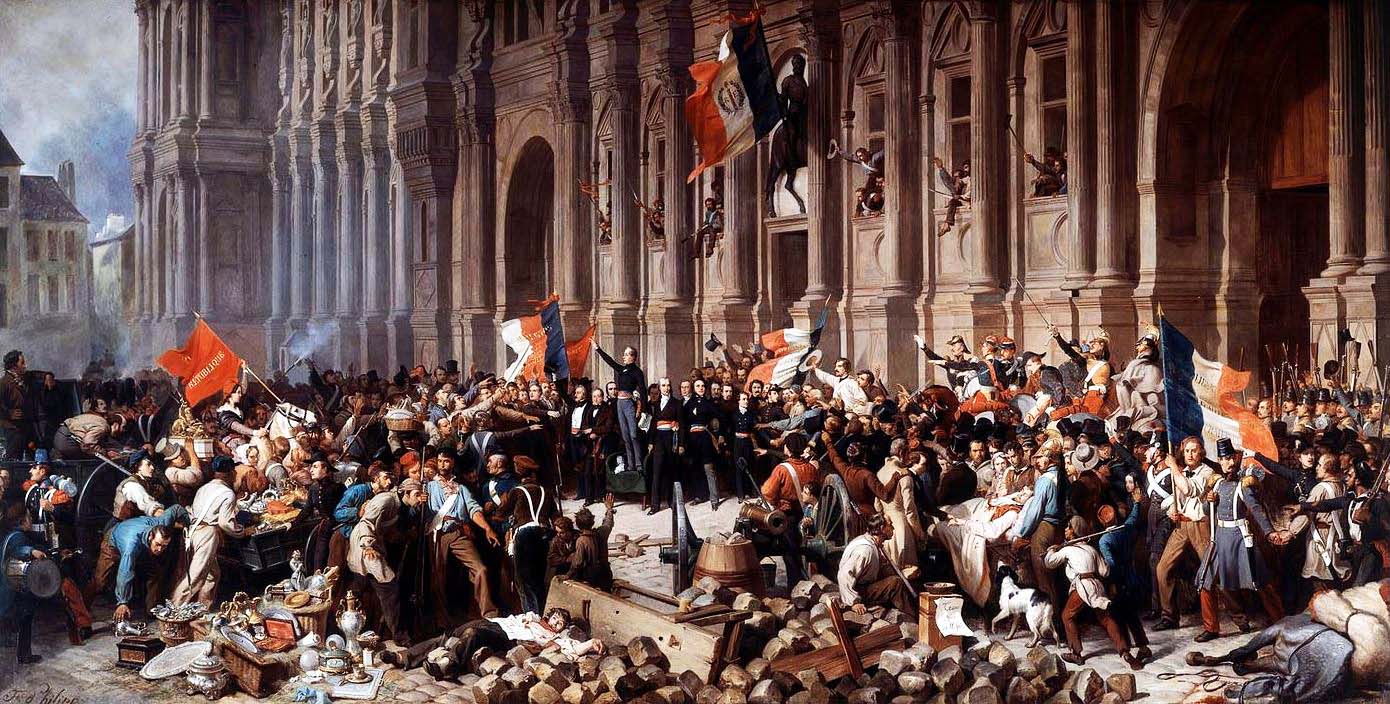
An exploration of rebellion, transformation, and the relentless tides that reshaped monarchies across centuries
The Seeds Beneath the Crown
Revolutions against royalty rarely began with swords; they began with hunger. Before the first banners rose or the first barricades formed, discontent grew quietly in granaries, workshops, and taverns. The early whispers of revolt were born not from hatred of kings but from the exhaustion of being unseen. Monarchies that once glimmered with divine purpose often dimmed under the weight of greed and complacency. When a crown stopped listening, the soil beneath it began to tremble. The people who tilled that soil, taxed into invisibility, discovered that obedience was not destiny but habit. Once that realization took root, no army could fully unlearn it. Rebellion was less a moment than a long fermentation of awareness, ripening until silence itself became unbearable. By the time the first cry for freedom reached the palace gates, the throne had already lost its sanctity in the minds of those it ruled.
Throughout history, this slow ignition of awareness united unlikely allies: merchants and farmers, soldiers and scholars. They did not all dream the same dream, but they shared the same fatigue. The monarchy’s splendor became their mirror, reflecting what they could never reach. The revolution, therefore, began not as destruction but as reclamation, a reclaiming of voice, dignity, and breath. Once awakened, the crowd no longer feared majesty; it pitied it.
The Spark That Defied Silence
No empire ever believed that rebellion would happen until it did. The spark of revolution often appeared insignificant, a speech, a pamphlet, a tax, a rumor. Yet within such fragments lay the collapse of centuries. History has shown that power decays not from weakness but from repetition. When decrees grew predictable and punishments routine, the people ceased to tremble. The first act of defiance was often unrecorded, a refusal disguised as exhaustion. A baker refused to pay an unjust fee. A soldier hesitated to strike. A mother hid her child from conscription. These small fractures multiplied until the kingdom’s entire structure quivered. What began as grievance evolved into conviction, and conviction became collective rhythm.
The monarchs, caught between pride and panic, responded as their ancestors had, with decrees, censorship, and spectacle. But authority cannot silence hunger, nor can gold outshine starvation. When the people moved, they did so as if guided by memory older than the palace itself. The spark of defiance transformed into a flame that refused containment. It was no longer rebellion against a person, but rebellion against the idea that hierarchy was fate.
The Stage of Fire and Faith
Once rebellion gained voice, it demanded vision. The people needed more than anger; they needed purpose. Streets became theaters of destiny where both fear and faith performed together. Churches rang with sermons of equality, philosophers turned ink into ammunition, and songs of revolt became new hymns of belonging. Monarchies, steeped in ritual, suddenly found those same rituals turned against them. Crowns were mocked as relics, and royal portraits were defaced into caricatures of tyranny. The rebellion transformed symbolism into strategy, understanding that power depended on perception. To strip a king of reverence was to disarm him more completely than any weapon could.
In this stage of upheaval, every act became sacred. Revolutionaries carried torches not only to destroy but to illuminate. They marched beneath banners that proclaimed destiny, believing they stood on the threshold between oppression and rebirth. The streets that once echoed with royal procession now resounded with chants of justice. Yet within that same passion lurked its shadow, the hunger to replace one crown with another. The revolution, intoxicated by victory, often forgot that freedom cannot thrive where vengeance rules.
The Fall of Thrones
The downfall of royalty never happened with elegance. Thrones fell not in ceremony but in chaos, their collapse echoing through every palace corridor. Some monarchs fled under moonlight, disguised as commoners. Others faced their subjects with trembling dignity, understanding too late that mercy cannot be begged from history. When the gates of royal compounds opened, the air thickened with contradiction: triumph mingled with grief, justice with doubt. The people who had dreamed of liberation stood among ashes, realizing that power, once destroyed, leaves a vacuum eager to consume them. The monarchy’s grandeur became evidence of its own fragility. Chandeliers and tapestries, once symbols of eternity, now burned as offerings to the new order.
Each revolution carried its own rhythm of ruin. Some ended in immediate transformation; others dissolved into cycles of violence and regret. Yet the fall of a crown was always more than spectacle. It was the moment when myth surrendered to mortality. The divine right of kings, once unquestionable, became a memory of arrogance. The throne, stripped of holiness, became wood and metal, proof that even divinity can crumble into dust.
The Architects of Uprising
Behind every revolution stood minds that shaped chaos into coherence. Some were visionaries who spoke in the language of justice, while others were opportunists who smelled power in disorder. They came from universities, marketplaces, and barracks, each carrying a different blueprint for the new world. Philosophers wrote theories that turned into slogans, generals translated ideology into battle lines, and common citizens carried ideals heavier than armor. The revolution became a collaboration between dream and desperation. What united these architects was not agreement but conviction that history itself required repair. They sought to rebuild society upon principles of reason, fairness, and dignity. Their challenge lay in balancing vision with survival, idealism with the raw weight of human need.
Yet even among reformers, ambition whispered. Some replaced tyrants only to become them. Others found that equality, once tested by governance, strained under the weight of reality. Still, these imperfect architects left an unshakable truth behind: that the governed could shape destiny without kneeling. Their rebellion redefined authority, making monarchy answerable not to heaven but to humanity.
The Echoes of Resistance
Long after revolutions ended, their echoes lingered in whispers, flags, and philosophies. Monarchies that survived learned adaptation as the price of survival. They modernized constitutions, legalized dissent, and replaced tyranny with ritual. Even the crowns that remained discovered humility as necessity. In their endurance, they became symbols of tradition rather than dominion. Yet beneath their polite ceremonies, the memory of revolt pulsed quietly. Every public appearance of royalty reminded the world that reverence had limits. The very existence of constitutional monarchy was proof that revolution had succeeded not through destruction but through transformation. Where once kings ruled absolutely, now they reigned conditionally, their splendor tamed by law.
The echo of rebellion thus reshaped culture itself. Art, literature, and philosophy absorbed its rhythm, teaching generations to question, to hope, and to resist complacency. Even in nations where monarchs regained influence, the people remembered their power to unmake the divine. The revolution’s spirit became a kind of inheritance, unofficial, unrecorded, yet indestructible.
The Cycle of Renewal
Revolutions do not conclude with victory; they begin again in every disillusionment. Once the new rulers ascend, they too must confront the same temptations of arrogance and comfort that destroyed their predecessors. The lessons of history rarely survive prosperity. Ideals erode beneath bureaucracy, and freedom dulls into familiarity. Yet rebellion persists as civilization’s pulse, an unending correction to the excess of control. The monarchy that once claimed eternity now teaches humility through its own mortality. Every generation rediscovers the necessity of revolt, not against individuals but against inertia. The spirit of revolution becomes the guardian of progress, ensuring that power never sleeps too comfortably.
This cycle, though cruel, sustains humanity’s forward motion. Without rebellion, society stagnates. Without authority, it collapses. Between those two extremes lies the fragile equilibrium where liberty breathes. Revolutions against royalty were never merely political; they were acts of renewal, proving that even the grandest thrones must answer to the simplest truths.
The Memory of Fire
Time softens rebellion into story, and story turns revolt into heritage. The flames that once devoured palaces now flicker in classrooms, monuments, and museums. Nations recount their uprisings not as moments of chaos but as rites of passage. The names of fallen monarchs and executed rebels coexist within the same history, each necessary to the other’s meaning. The memory of fire teaches reverence for balance, caution against excess, and awe toward courage. It reminds humanity that order, however adorned, remains accountable to those it governs. In every anniversary, every commemoration, lies an unspoken promise, that should tyranny rise again, so too will the people’s voice.
History, after all, is not loyal to crowns or rebels; it is loyal to truth. And truth moves like flame, consuming falsehood while illuminating the path forward. The revolutions that once burned away kingdoms have become beacons guiding nations toward dignity. Their memory endures not in bitterness but in vigilance, reminding civilization that the struggle for justice is both its wound and its heartbeat.
The Dawn After the Kingdoms
When the smoke of rebellion clears and the ashes of monarchy cool, what remains is not emptiness but possibility. The throne becomes a chair again, the crown becomes metal, and the people reclaim the quiet authority of their own existence. From ruins rise constitutions, from grief grows wisdom. The dawn after the kingdoms does not promise perfection, only awareness. Humanity learns, again and again, that power must bend to compassion, that privilege must answer to conscience, and that no rule, however sacred, can outlast the truth that created it. In that light, revolutions cease to be tragedies of destruction and become ceremonies of rebirth, where the world remembers that freedom, once claimed, does not kneel again.