

The Velvet Grammar of Thrones
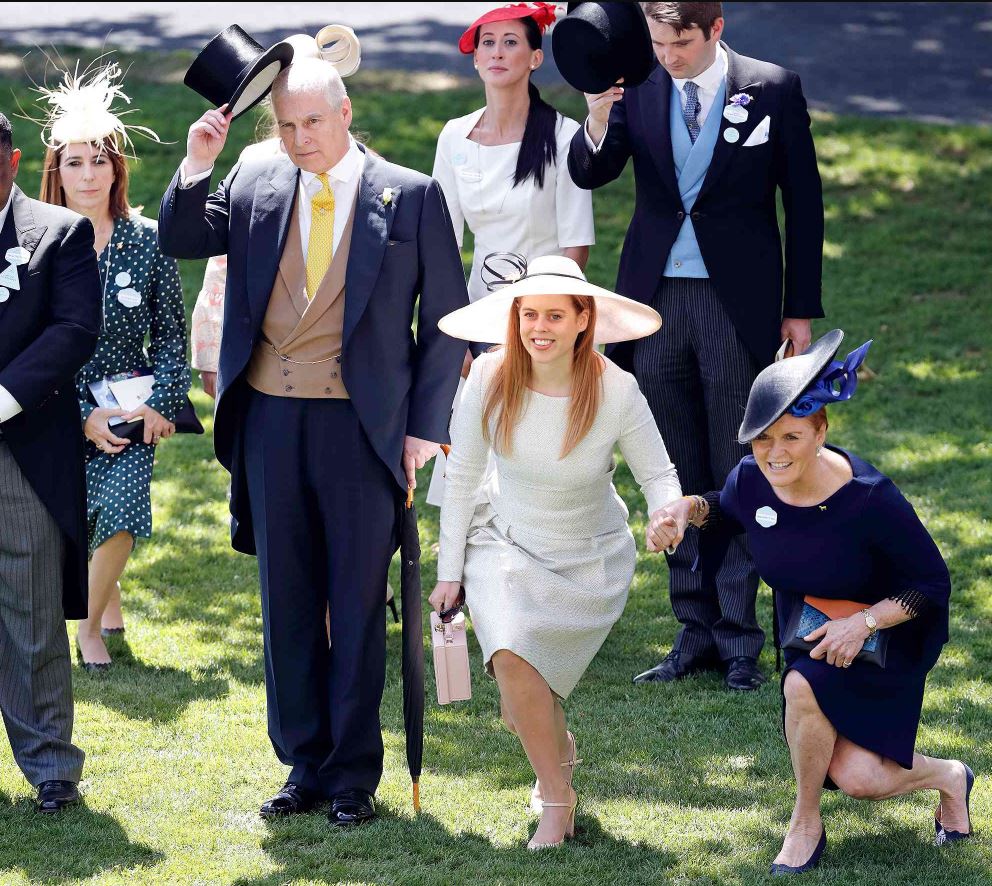
An in-depth reflection on the invisible rules, gestures, and performances that defined life within royal courts
Where Silence Became Language
Within the royal court, conversation often began before words were spoken. Silence itself was a dialect, a medium through which status, favor, and allegiance were expressed. Courtiers mastered the art of waiting, knowing that hesitation could speak more loudly than haste. Every movement carried consequence, every bow an unwritten sentence in a language older than parchment. In this world, etiquette was not mere civility, it was architecture made of posture and pause. To survive the court was to understand that a misplaced glance could alter destiny as surely as any treaty. The ability to stand, breathe, and blink with precision determined one’s rank as much as blood or title. The ritual of silence drew boundaries between reverence and rebellion, reminding all who entered that power began with restraint, not speech.
Observation became the scholar’s tool of survival. Those who learned to read the monarch’s stillness could predict entire seasons of favor. Courtiers treated quiet like gold, spending it wisely and saving it where speech might ruin. Etiquette trained the body to behave like poetry, composed but controlled, graceful yet guarded. It was not performance for vanity but a ceremony of existence, binding humans to hierarchy through rhythm rather than decree.
The Education of Grace
No courtier was born refined; they were forged through relentless schooling in behavior. From early childhood, those destined for the palace learned how to move without noise, to bow with mathematical precision, to smile with balance between warmth and deference. Tutors corrected posture with the same severity once reserved for military drill. Books on comportment stood beside scriptures, for etiquette was treated as a form of moral discipline. To behave correctly was to prove loyalty, and loyalty itself was the currency of survival. Every court built its own curriculum of grace, blending inherited tradition with the evolving taste of monarchs. What counted as elegance in one reign could become insolence in the next, so the courtier’s education never truly ended.
Even gestures had genealogies. A curtsy carried centuries of refinement, each variation bearing a signature of era and ruler. The art of walking became almost theological, requiring that one’s feet and thoughts remain equally composed. The discipline behind such refinement was not vanity but philosophy: the belief that mastery of self reflected mastery of spirit. Etiquette served as mirror to order, ensuring that chaos never crept into the throne room disguised as spontaneity.
The Dance of Deference
At the heart of court etiquette lay choreography. Royal audiences resembled ballets in which each participant knew their mark and motion. Distance determined respect, and proximity invited risk. To stand too near a sovereign implied presumption, while standing too far suggested indifference. The dance of deference existed to make power visible through movement. Courtiers pivoted, knelt, and rose according to invisible signals only the seasoned could interpret. Every entrance was a performance, every exit a farewell to fortune. Etiquette transformed politics into art, converting ambition into rhythm.
These rituals of space also defined social order. The location of each noble in the chamber reflected their standing, as if geometry itself enforced hierarchy. When monarchs shifted protocol, entire classes adjusted like constellations responding to new gravity. The dance sustained authority without violence, allowing submission to appear as grace. In this silent theater, rebellion died beneath the weight of elegance. To bow was to survive, and to bow well was to ascend.
The Power of the Unspoken
Etiquette thrived on implication rather than declaration. To speak too directly was considered vulgar, for authority relied on mystery. Words at court functioned like ornaments, meant to adorn thought rather than reveal it. The most dangerous statement was sincerity, and the safest was metaphor. Thus courtiers perfected indirection, learning to promise without committing, to refuse without offending, and to flatter without surrendering truth. The unspoken shaped alliances, carried warnings, and disguised ambitions. Etiquette became camouflage for intellect, allowing diplomacy to flourish in velvet rather than iron.
The monarch, too, participated in this quiet game. Royal gestures were crafted to convey both mercy and menace, sometimes in the same motion. A raised eyebrow might condemn, a slight smile might reward, and a pause could sentence. The court existed in perpetual translation, decoding every silence into prophecy. Power depended not on command but on interpretation, and the finest courtiers were those who could read the air itself. Within such delicacy, words lost importance while listening became the highest form of loyalty.
Attire as Hierarchy
Clothing within the royal court served as visible etiquette. Every thread spoke of allegiance, every color belonged to ritual. To wear fabric without permission was treason disguised as vanity. Tailors became chroniclers of status, translating privilege into silk and brocade. Lace, embroidery, and jewels formed the alphabet of appearance, and the ability to read it separated nobles from novices. Attire dictated conversation before voices met, ensuring that rank could be recognized at a glance. In this economy of splendor, modesty was rebellion, and extravagance was obedience.
Yet garments carried more than politics. They reflected the theology of hierarchy, illustrating the belief that beauty confirmed divine order. A king’s robe symbolized justice through its weight, a queen’s train mirrored grace through its flow. Even servants’ livery contributed to the harmony of visual command. The court was a painting in perpetual motion, every participant a brushstroke in a masterpiece of decorum. Fashion served not to distinguish individuals but to merge them into the greater image of monarchy, proving that discipline could be as dazzling as diamonds.
Conversation as Ceremony
To speak in a royal court required precision equal to swordsmanship. Every phrase was polished to avoid offense, every compliment balanced between humility and wit. Conversation became a ritual performance, governed by tempo and restraint. Laughter was rationed, pauses deliberate, and topics carefully chosen to display intellect without ambition. The art of discourse determined influence, for the right word could open corridors of favor while a misplaced jest could seal one’s exile. Etiquette demanded that thought and speech move as one, measured and luminous.
Salons and banquets transformed into arenas where language competed for elegance. The finest courtiers learned to converse without fatigue, weaving diplomacy into dialogue. Even silence within discussion carried strategic value, allowing the listener to appear wiser than the speaker. Over time, etiquette elevated conversation into a kind of moral theater, where tone replaced argument and presence outweighed logic. Within this disciplined exchange, civilization itself found rehearsal, proving that manners were not ornament but structure.
The Theater of Ceremony
Every court existed as a stage upon which power performed its immortality. Coronations, marriages, and audiences were not mere events but orchestrations of meaning. The placement of chairs, the sound of trumpets, and the sequence of gestures all communicated invisible hierarchies. Ceremony transformed government into spectacle, allowing authority to appear inevitable through repetition. To witness such rituals was to be educated in obedience disguised as admiration. Etiquette served as both script and choreography, ensuring that every subject knew their line in the drama of rule.
But ceremony also preserved identity. Through centuries of change, it provided rhythm to governance, turning transition into continuity. Even rebellion borrowed its structure, for to defy tradition one must first understand its pattern. The court’s theater outlived the monarchs it glorified because performance proved stronger than personality. The kingdom might shift borders, yet the gestures of homage and the music of procession continued to echo. Etiquette thus became the most enduring actor in history’s play, performing even when the audience had forgotten the script.
The Decay of Refinement
As monarchies weakened, the art of court etiquette slowly dissolved into nostalgia. Industrial noise drowned the delicate rituals once worshiped in candlelight. The new world favored speed over subtlety, equality over ceremony. Yet traces of that old discipline survived within diplomacy, academia, and culture, whispering reminders of an age when grace held the weight of law. The courtesies of the past became curiosities for historians, yet their essence persisted wherever human interaction demanded restraint. To study them is to glimpse how civilization once tamed its pride through beauty.
Modern society, though distant from the throne room, still borrows its manners. We shake hands instead of bowing, but the intention is the same: acknowledgment without aggression. The rituals of the court taught humanity how to formalize respect, how to make dignity visible. In this sense, etiquette never decayed; it transformed. It continues to remind the world that refinement is not affectation but awareness, and that grace remains the finest form of intelligence ever practiced.
The Quiet Music of Order
Long after the trumpets faded and the crowns were stored in museums, the spirit of court etiquette continues to hum beneath the surface of human behavior. It teaches that civilization depends not on rules alone but on rhythm, on the silent accord between gesture and thought. The choreography of courtesy has survived revolutions, adapting to every age that needed balance between freedom and form. In every respectful bow, in every careful word, its melody returns. Etiquette is not the ghost of the past but the pulse of understanding, a quiet music that turns power into grace and presence into art.