

Vows That Bind the Map
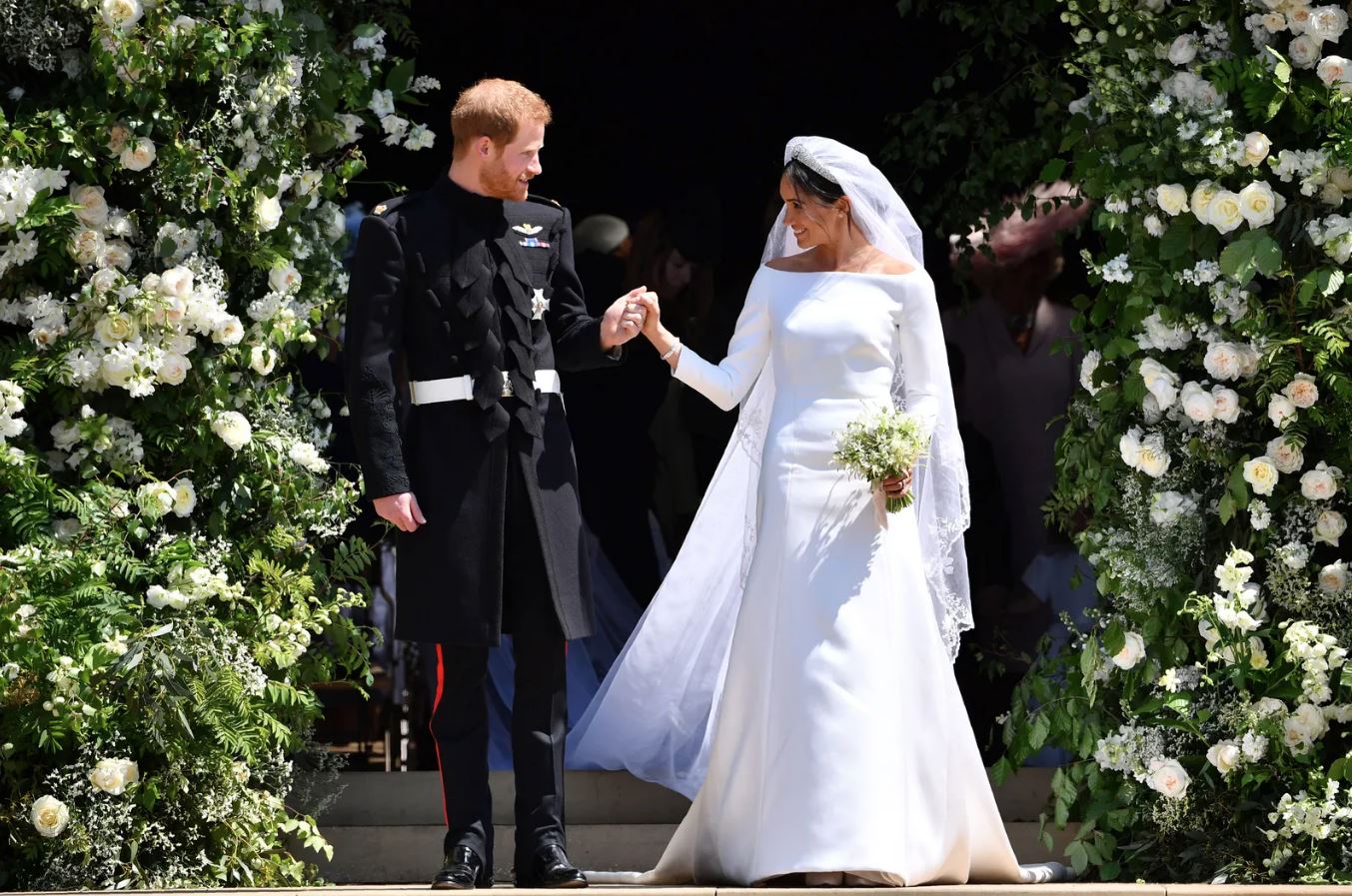
Unions of crowns shaped borders and memory
The wedding as treaty
Across centuries royal marriage functioned as a diplomatic signature that required no pen, a living agreement that promised peace through kinship. Courts arranged unions to close rivers to rivals, to open mountain passes to grain, and to tame feuds that had devoured villages for generations. Once the vows were spoken, border guards relaxed, caravans multiplied, and envoys wrote home that the landscape itself seemed calmer. The wedding feast became the first session of a shared council, where toasts translated into tariffs and dances concealed the first quiet negotiations of a new age.
Dowry as foreign policy
Gold and silk traveled with brides not as ornaments but as instruments of policy. A chest filled with coin underwrote new roads that linked capitals, while a city granted as dowry redrew a coastline without a single siege. Livestock and rare seed varieties crossed borders with princesses, improving harvests and anchoring goodwill in everyday bread. When the dowry included books and artisans, the receiving court gained a library and a guild in one procession, and the pact between families acquired a cultural heartbeat that endured long after the trumpets fell silent.
Heraldry that blends stories
Coats of arms did more than decorate halls, they taught subjects how to imagine unity. When two houses intermarried, artists quartered shields so that colors and beasts shared a single field. Over time the blended emblem took on a life of its own, appearing on coins, market scales, and border stones. Children learned to sketch the new pattern before they could read, and by the time they reached the age of service the union felt older than memory. Heraldry became the quiet school where loyalty was taught without lectures.
The procession as public pedagogy
Parades through city gates served as tutorials in alliance. Bakers shaped loaves into crowns, guilds draped bridges with woven emblems, and apprentices climbed scaffolds to release clouds of petals. The couple moved at a pace that allowed citizens to study the symbols stitched into garments and banners. Each pause in the route corresponded to a promise, relief for a tax here, construction of a granary there, restoration of a festival at the next square. The city absorbed policy through spectacle and remembered it each year when the streets filled with the scent of flowers once more.
Private letters that steered continents
Behind the scenes spouses exchanged letters that guided policy with a gentler touch than decrees. A queen consort wrote to a cousin across the sea and secured passage for grain ships during a cold spring. A prince persuaded an uncle to temper a border patrol so that traders would return before winter. These pages crossed mountains in saddle bags and returned with ink that had the power to redirect armies without ordering a march. Marital correspondence formed a second government, nimble and humane, that turned affection into statecraft.
Relics and rites that canonized union
Clergy bathed weddings in ceremony so that politics could borrow sanctity. Rings touched shrines, veils brushed reliquaries, and choirs sang words that placed the couple within a chain of sacred stories. The blessing suggested that the pact had been foreseen by heaven, which quieted factions that resisted earthly compromise. Pilgrims later visited the chapel where the vows were spoken, bringing trade to local markets and renewing the sense that the union lived not only in law but in shared devotion.
Fertility, lineage, and the arithmetic of hope
Heirs transformed possibilities into policy. The first birth after a wedding altered diplomacy more than any treaty clause, because it promised decades of stability. Midwives and physicians therefore became officers of the realm, and nurses carried as much responsibility as scribes. When children filled nurseries, ambassadors recalculated risk, and rival claimants grew quiet. A cradle could steady a continent, while an empty nursery could unsettle an ocean of maps.
Education within the bridal household
New consorts brought tutors and handbooks that reshaped etiquette, cuisine, and scholarship. A bride from a maritime culture taught a landlocked court how to sponsor navigation schools, while a groom from a scholarly lineage established a library and paid stipends to translators. The household became a miniature academy where pages learned new languages at the hearth and ministers discovered fresh methods for keeping accounts. In a single generation the palace enlarged its mind because marriage changed the syllabus.
Conflict inside the ribbon
Not all unions soothed tensions. Courts sometimes pulled in opposite directions, with in laws advising strategies that clashed in secret chambers. Factions gathered around the bedchamber door as if around a well that might go dry. When disagreement threatened to spill into streets, wise couples staged public acts of unity, joint audiences with merchants, shared sponsorship of almshouses, or pilgrimages that taught the realm to read concord in footsteps. Performance kept argument from becoming rupture, and the marriage survived because both sides chose the common stage over private victory.
Annulment as political surgery
When alliances failed, annulment removed the knot without drawing swords. Clerics searched for technical threads that could be unpicked, kinship too close, consent compromised, vows spoken under misunderstanding. Such rulings often arrived with packages of reconciliation, debt forgiveness for a town, a college endowed in the name of the former spouse, safe passage for attendants who wished to return home. The skill lay in preserving dignity so that tomorrow’s diplomacy could begin on unscarred ground.
Ceremonial cuisine and the language of dishes
Menus at royal weddings communicated policy to those who could not read charters. Chefs placed river fish beside mountain herbs to indicate the joining of valleys and peaks. Wines from both realms shared the same table so that merchants noticed future demand. Sweet pastries shaped like doves promised a season of quiet borders. Travelers carried descriptions of these dishes back to distant markets, where cooks imitated them and thereby turned cuisine into a soft alliance that lasted beyond the season of celebration.
Wardrobe as traveling archive
Garments worn by consorts recorded the pact in silk and thread. Embroiderers stitched motifs from both homelands onto sleeves and hems, so that each appearance before the people felt like a living treaty. When the fabric aged, tailors preserved panels and sewed them into christening clothes for heirs, which allowed the union to be literally wrapped around the future. Museums that later displayed these textiles taught visitors how art remembered a promise longer than ink.
Gifts that seeded industries
Caravans that followed a wedding brought looms, glass furnaces, and presses. A dowry of skilled workers could reshape a capital’s skyline within a decade. New guilds formed around techniques that had traveled with the bridal train. Cities adopted unfamiliar rhythms, with workshops humming well into twilight, and students lined up to learn crafts that paid better than war. The union therefore converted affection into wages, and the public rewarded the couple with a loyalty deeper than pageantry alone could earn.
Guardianship and the politics of minority
When a royal marriage produced heirs who inherited young, the surviving spouse often governed as regent. Success in that role depended on transparency and patience, audits published on schedule, petitions answered with courtesy, and councils that included voices from both ancestral realms. A regent who honored the marriage pact in daily governance preserved the credibility of the alliance and delivered the crown to adulthood with reputation intact. Failure invited unrest that annulled the peace more thoroughly than any court decree could repair.
Letters patent and the invention of shared holidays
Some unions created new festivals that braided calendars into one fabric. Decrees established market fairs that opened simultaneously in both realms, and choirs learned songs that combined melodies from each culture. Citizens felt the union in their bones because the year itself changed shape. Children grew up expecting fireworks on a date that had not existed before their parents were born, and that cadence of celebration kept the pact alive even when ministers argued in councils.
Libraries that unite memory
Marriages sometimes merged archives and rare manuscripts, a union of memory as powerful as any military alliance. Scribes cataloged new collections, scholars found texts that resolved disputes over water rights, and poets discovered forgotten epics that later became plays for public squares. When a library doubled in size, a kingdom doubled its ability to argue with reason rather than swords. The couple who sponsored such mergers earned a reputation for wisdom that outlived their portraits.
Exile, return, and the resilience of vows
At times a marriage carried one partner into exile when courts turned hostile. Years later the same partner returned with a network of friends made during hardship, and that network reintroduced the union to a new generation. Exile taught humility and languages, return taught forgiveness. The people respected the couple more for surviving weather that might have broken lesser bonds. The revived alliance then focused on practical mercies, grain prices, harbor repairs, fair hearings, because storms had taught the value of roofs and bread.
Legal codices and the mathematics of property
Jurists labored to translate affection into rules. They wrote provisions for dower lands, inheritance if heirs did not survive, and protections for widowed consorts who might be blamed for misfortune. By clarifying rights, they removed excuses for conflict and protected farmers from chaos that followed ambiguous law. Houses learned that the beauty of a wedding depended on its ledger as much as its music, because clarity prevented hot tempers from dressing as patriotism.
Modern unions inside constitutional frameworks
In the present age many royal marriages unfold within systems that limit sovereign power yet magnify symbolic reach. The union still matters because it represents service rather than dominance. Public charity visits replace triumphal tours, joint patronage of hospitals and schools replaces territorial exchange, and social projects signal that the couple understands duty as care. The crowd watches less for splendor and more for steadiness, grateful when the marriage turns media attention into funding for work that eases daily life.
Stories that outlast the vows
Bards and novelists convert royal marriages into legends that travel beyond borders. Tales of loyalty during famine or courage during plague teach lessons to readers who live far from palaces. Painters freeze a glance between spouses that implies unity under pressure, and that image becomes a touchstone in classrooms and civic halls. The union thus continues to govern through imagination, which is the most durable province a crown can claim.
The quiet power within entwined hands
When two houses join, the clasped hands carry more weight than the swords stacked in armories. Markets find courage, laws gain clarity, and festivals rewrite the year so that strangers feel like neighbors. The strongest proof of success appears where few look, in a fair measure at a grain scale, in a road repaired before winter, in a school that opens on time. Royal marriages triumph when affection becomes service, and when service becomes the common language of a realm that learns to breathe together.